

on this page
Mulch Your Interiors!
- Shop Now
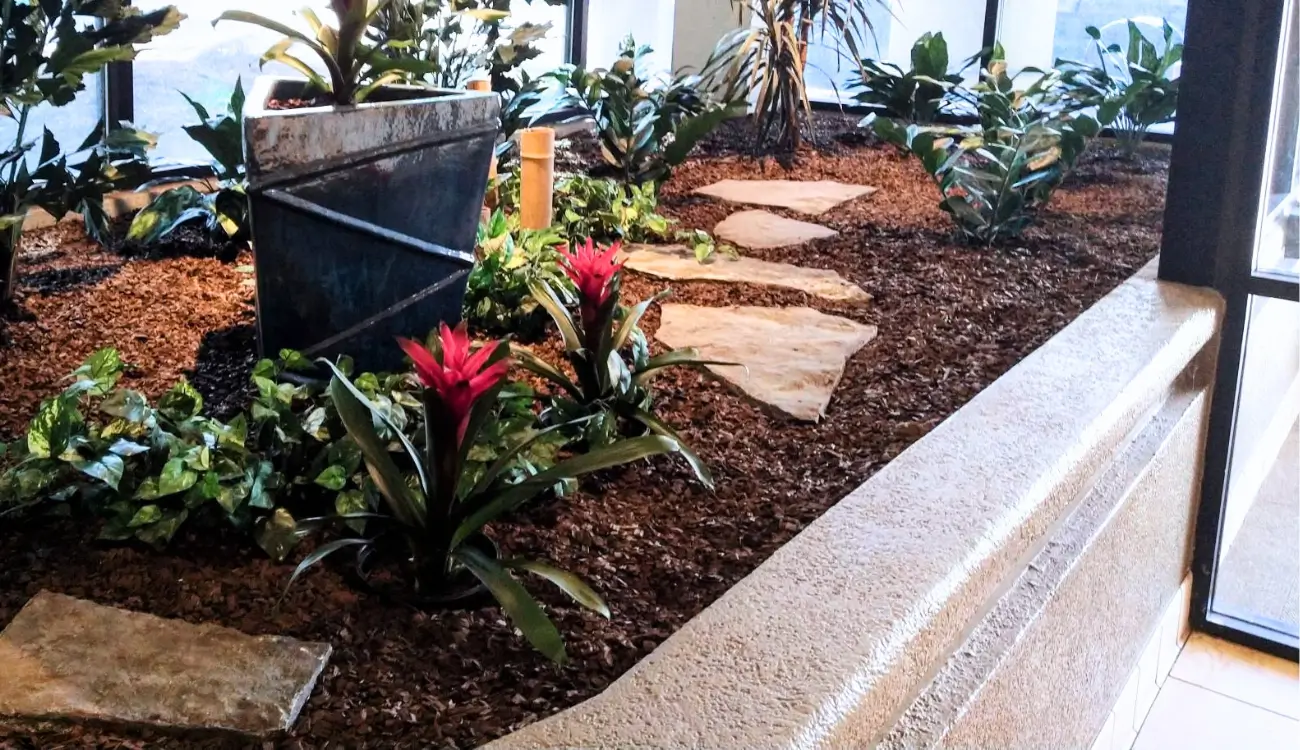
Most people who buy interior mulch never think about where it comes from or how it's made. They see the finished product—a clean, consistent, refined topdressing sitting in a planter—and that's enough.
But for plantscapers specifying a product for a high-end commercial install, for interior designers who stake their reputation on what they recommend, and for home enthusiasts who care about what's going into their space, the process matters.
Because how interior mulch is made is exactly why it performs differently than anything else you'll put in an indoor planter.
It Starts With the Right Raw Material
Not all wood is created equal. Interior mulch begins with oak wood—selected specifically for its density, grain structure, and ability to hold up under heat processing without becoming brittle or breaking down too quickly.
This is the first point of separation from outdoor bark mulches and decorative wood chips. Those products are often made from whatever material is available as a byproduct of lumber or paper processing—softwoods, mixed species, bark scraps. The raw material is secondary to the price point.
For interior mulch, the raw material is the foundation of everything that comes after. The wrong wood produces an inconsistent product. Consistent wood produces a consistent finish—and consistency is what a professional installer or a design specifier needs to depend on.
The toasting process
This is the part that matters most and what sets interior mulch apart from nearly every decorative wood product on the market.
Most decorative mulches get their color from dye. The wood is processed, then coated—red dye, black dye, brown dye—sprayed or soaked on after the fact. The color sits on the surface. It fades. It can leach into soil. And it tells you nothing about what happened to the wood itself.
Interior mulch is toasted all the way through.
The toasting process uses heat to dry and color the wood from the inside out. There's no dye involved. The color you see is the result of controlled heat applied to the wood itself—the same basic principle as toasting bread or roasting coffee. The heat transforms the material. What comes out is stable, consistent, and natural.
This matters for three reasons:
1. The color is durable. Because the color comes from the wood itself and not a surface coating, it doesn't fade the way dyed mulch does. What you see when you open the bag is what you'll still see months later in the planter.
2. The product is chemically clean. No dyes means nothing leaching into your soil. For plant health and for the safety of the people and pets in the space, that's a meaningful distinction—especially in commercial environments where clients ask questions.
3. The finish is consistent. Dyed products can have uneven coverage—darker in some spots, lighter in others depending on how the dye was applied. A heat-toasted product is consistent because the process acts uniformly on the material.
Why It's not Optional for Indoor Use
After toasting, interior mulch goes through a pasteurization process. This is the step that makes it genuinely suitable for indoor environments—and the step that most outdoor mulch products skip entirely because they don't need it.
Pasteurization uses heat to eliminate insect eggs and larvae, disease organisms, and mold spores.
The result is a product that is biologically clean before it ever enters your planter. For a hotel property manager or a corporate facilities team, this is non-negotiable. For a home plant enthusiast who has spent real money on a rare plant, it's the difference between a stable planter and a recurring pest problem.
Outdoor mulches don't go through this process because they don't need to—the outdoor environment self-regulates. Bring an untreated outdoor product inside and you're introducing whatever lived in it into a closed system with no natural predators and no weather cycles to keep populations in check.
Sizing and Grading
Once the wood has been toasted and pasteurized, it's sized and graded for consistency. This is the step that determines the texture and finish of the final product.
Interior mulch is graded to produce a uniform piece size—consistent enough that when it's spread across a planter, it lays flat, fills evenly, and presents a clean surface. This is different from outdoor bark chips or nuggets, which are often highly irregular in size—some large, some small, some fine—creating an uneven surface that doesn't read as finished in an interior space.
For professional plantscapers doing commercial installations, this consistency matters at scale. When you're topping off 40 planters in a hotel lobby and they all need to look identical, you need a product that behaves the same way every time.
what you get in
the bag
The finished product is packaged in three sizes to cover different use cases.
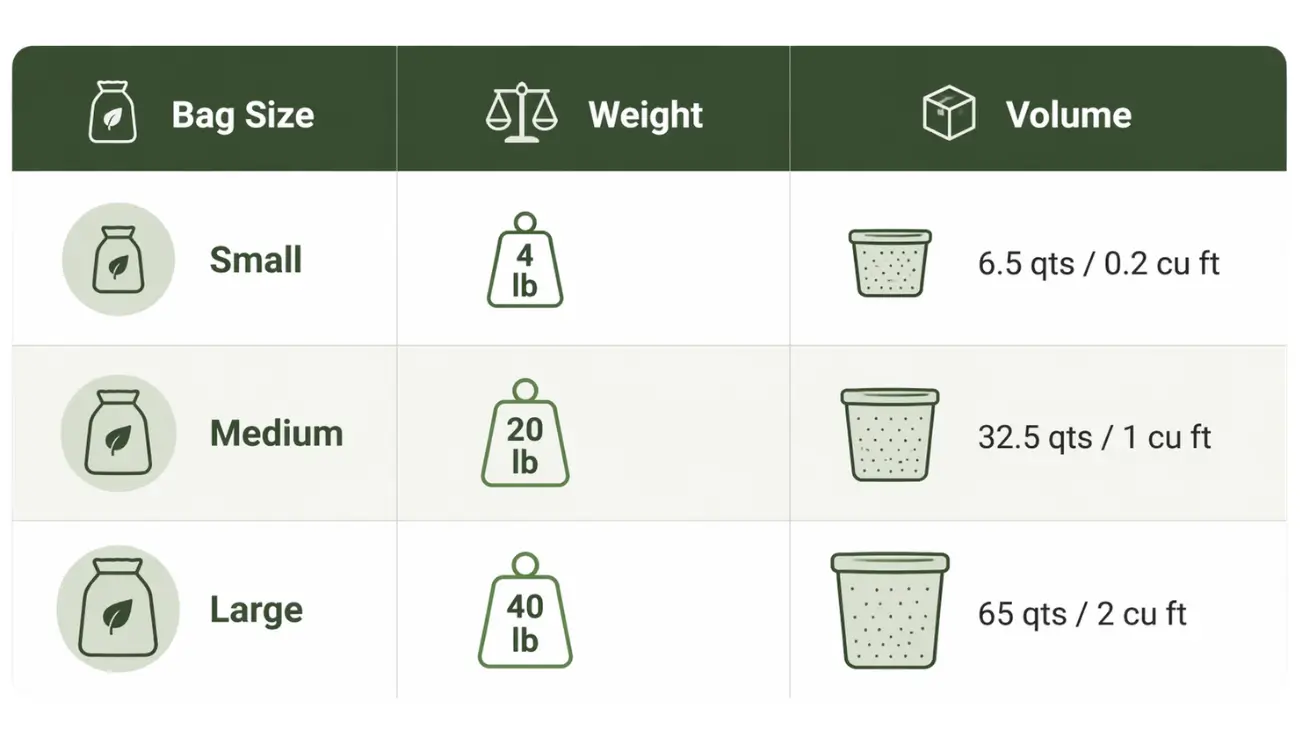
Coverage runs at 1.66 lbs per square foot at 1 inch depth, so a medium bag covers roughly 12 square feet at a 1-inch topdressing depth—enough for several mid-size planters or one large floor installation.
Why the Process Produces a Better Indoor Product
Pull it all together and the manufacturing process explains every performance advantage interior mulch has over alternatives:
- Toasted, not dyed → stable color, no chemical leaching, consistent finish.
- Pasteurized → no pests, no mold spores, no disease organisms entering your planter.
- Oak wood base → density and durability that resists decomposition in enclosed environments.
- Sized and graded → consistent texture that presents a finished, designed appearance.
None of these steps are accidents. They're the reason interior mulch performs the way it does indoors—and the reason outdoor products, regardless of how they look in a bag at the garden center, can't replicate it.
Working on a
commercial install?
Our team can help with bulk quantities, spec support, and sample packs for client presentations.
FAQ
Q: Is interior mulch made from recycled wood?
Interior mulch is made from hardwood processed specifically for this application. It is a natural, all-wood product — no synthetic materials, no dyes, no additives.
Q: Does the toasting process change the smell?
The toasting process produces a mild, natural wood scent — similar to what you'd smell from kiln-dried lumber. It fades quickly once the product is in use. Because the product is pasteurized and not decomposing, it does not develop the musty or sour odor that untreated bark chips can produce indoors over time.
Q: Is the pasteurization process chemical-free?
Yes. Pasteurization uses heat — not chemicals — to eliminate organisms. The process is the same principle as food pasteurization: controlled heat applied long enough to make the product biologically safe.
Q: Can the manufacturing process affect plant health?
The opposite, in fact. Because interior mulch is pasteurized and non-decomposing, it doesn't tie up soil nitrogen the way decomposing bark does, doesn't introduce pathogens, and helps regulate soil surface moisture — all of which support plant health rather than working against it.
Q: Why don't outdoor mulches go through this process?
Cost and necessity. Pasteurization and controlled toasting add steps and expense to the manufacturing process. For outdoor bulk mulch sold by the cubic yard, the economics don't work and the outdoor environment doesn't require it. For a premium indoor product where pest introduction or mold in a hotel lobby is a real business problem, the process is essential.
by Brandon Haas
Published on April 24, 2026
Unsubscribe anytime. By entering your email, you agree to receive marketing emails from Interior Mulch Scapes. By proceeding, you agree to the Terms and Conditions and Privacy Policy.
popular posts
INTERIOR MULCH
Should You Mulch Indoor Plants?
TIPS
How Deep Should Mulch Be?
INTERIOR MULCH
4 Tips to Begin Interior Landscaping
INTERIOR MULCH
What is Interiorscaping?
on this page
Mulch Your Interiors!
- Shop Now
Most people who buy interior mulch never think about where it comes from or how it's made. They see the finished product—a clean, consistent, refined topdressing sitting in a planter—and that's enough.
But for plantscapers specifying a product for a high-end commercial install, for interior designers who stake their reputation on what they recommend, and for home enthusiasts who care about what's going into their space, the process matters.
Because how interior mulch is made is exactly why it performs differently than anything else you'll put in an indoor planter.
It Starts With the Right Raw Material
Not all wood is created equal. Interior mulch begins with oak wood—selected specifically for its density, grain structure, and ability to hold up under heat processing without becoming brittle or breaking down too quickly.
This is the first point of separation from outdoor bark mulches and decorative wood chips. Those products are often made from whatever material is available as a byproduct of lumber or paper processing—softwoods, mixed species, bark scraps. The raw material is secondary to the price point.
For interior mulch, the raw material is the foundation of everything that comes after. The wrong wood produces an inconsistent product. Consistent wood produces a consistent finish—and consistency is what a professional installer or a design specifier needs to depend on.
The toasting process
This is the part that matters most and what sets interior mulch apart from nearly every decorative wood product on the market.
Most decorative mulches get their color from dye. The wood is processed, then coated—red dye, black dye, brown dye—sprayed or soaked on after the fact. The color sits on the surface. It fades. It can leach into soil. And it tells you nothing about what happened to the wood itself.
Interior mulch is toasted all the way through.
The toasting process uses heat to dry and color the wood from the inside out. There's no dye involved. The color you see is the result of controlled heat applied to the wood itself—the same basic principle as toasting bread or roasting coffee. The heat transforms the material. What comes out is stable, consistent, and natural.
This matters for three reasons:
1. The color is durable. Because the color comes from the wood itself and not a surface coating, it doesn't fade the way dyed mulch does. What you see when you open the bag is what you'll still see months later in the planter.
2. The product is chemically clean. No dyes means nothing leaching into your soil. For plant health and for the safety of the people and pets in the space, that's a meaningful distinction—especially in commercial environments where clients ask questions.
3. The finish is consistent. Dyed products can have uneven coverage—darker in some spots, lighter in others depending on how the dye was applied. A heat-toasted product is consistent because the process acts uniformly on the material.
Why It's not Optional for Indoor Use
After toasting, interior mulch goes through a pasteurization process. This is the step that makes it genuinely suitable for indoor environments—and the step that most outdoor mulch products skip entirely because they don't need it.
Pasteurization uses heat to eliminate insect eggs and larvae, disease organisms, and mold spores.
The result is a product that is biologically clean before it ever enters your planter. For a hotel property manager or a corporate facilities team, this is non-negotiable. For a home plant enthusiast who has spent real money on a rare plant, it's the difference between a stable planter and a recurring pest problem.
Outdoor mulches don't go through this process because they don't need to—the outdoor environment self-regulates. Bring an untreated outdoor product inside and you're introducing whatever lived in it into a closed system with no natural predators and no weather cycles to keep populations in check.
Sizing and Grading
Once the wood has been toasted and pasteurized, it's sized and graded for consistency. This is the step that determines the texture and finish of the final product.
Interior mulch is graded to produce a uniform piece size—consistent enough that when it's spread across a planter, it lays flat, fills evenly, and presents a clean surface. This is different from outdoor bark chips or nuggets, which are often highly irregular in size—some large, some small, some fine—creating an uneven surface that doesn't read as finished in an interior space.
For professional plantscapers doing commercial installations, this consistency matters at scale. When you're topping off 40 planters in a hotel lobby and they all need to look identical, you need a product that behaves the same way every time.
what you get in
the bag
The finished product is packaged in three sizes to cover different use cases.
Coverage runs at 1.66 lbs per square foot at 1 inch depth, so a medium bag covers roughly 12 square feet at a 1-inch topdressing depth—enough for several mid-size planters or one large floor installation.
Why the Process Produces a Better Indoor Product
Pull it all together and the manufacturing process explains every performance advantage interior mulch has over alternatives:
- Toasted, not dyed → stable color, no chemical leaching, consistent finish.
- Pasteurized → no pests, no mold spores, no disease organisms entering your planter.
- Oak wood base → density and durability that resists decomposition in enclosed environments.
- Sized and graded → consistent texture that presents a finished, designed appearance.
None of these steps are accidents. They're the reason interior mulch performs the way it does indoors—and the reason outdoor products, regardless of how they look in a bag at the garden center, can't replicate it.
Working on a
commercial install?
Our team can help with bulk quantities, spec support, and sample packs for client presentations.
FAQ
Q: Is interior mulch made from recycled wood?
Interior mulch is made from hardwood processed specifically for this application. It is a natural, all-wood product — no synthetic materials, no dyes, no additives.
Q: Does the toasting process change the smell?
The toasting process produces a mild, natural wood scent — similar to what you'd smell from kiln-dried lumber. It fades quickly once the product is in use. Because the product is pasteurized and not decomposing, it does not develop the musty or sour odor that untreated bark chips can produce indoors over time.
Q: Is the pasteurization process chemical-free?
Yes. Pasteurization uses heat — not chemicals — to eliminate organisms. The process is the same principle as food pasteurization: controlled heat applied long enough to make the product biologically safe.
Q: Can the manufacturing process affect plant health?
The opposite, in fact. Because interior mulch is pasteurized and non-decomposing, it doesn't tie up soil nitrogen the way decomposing bark does, doesn't introduce pathogens, and helps regulate soil surface moisture — all of which support plant health rather than working against it.
Q: Why don't outdoor mulches go through this process?
Cost and necessity. Pasteurization and controlled toasting add steps and expense to the manufacturing process. For outdoor bulk mulch sold by the cubic yard, the economics don't work and the outdoor environment doesn't require it. For a premium indoor product where pest introduction or mold in a hotel lobby is a real business problem, the process is essential.