

on this page
Mulch Your Interiors!
- Shop Now
The plants may be the centerpiece of an interiorscape, but what covers the soil can have a major effect on the finished appearance.
Indoor plant top dressing is the decorative material placed over the exposed soil in a planter. It can help create a cleaner, more intentional presentation while supporting the overall design of the room.
However, not every material commonly placed over potting soil performs equally well indoors. Moss, decorative rocks, outdoor bark and interior mulch each create a different appearance and introduce different maintenance considerations.
Before choosing a top dressing for your indoor plants, it is important to compare more than appearance alone.
What Should You Look for in an Indoor Plant Top Dressing?
An effective indoor plant top dressing should complement the plant without creating unnecessary maintenance for the person caring for it.
For homes, offices, hotels, restaurants and other interior environments, consider the following factors:
- Overall appearance
- Material weight
- Cleanliness
- Moisture management
- Ease of installation
- Long-term color consistency
- Maintenance requirements
- Suitability for indoor use
The best choice will depend on the type of planter, the surrounding décor and how frequently the plant display is serviced.
Decorative Rocks
Decorative rocks are frequently used because they create a clean and modern appearance. They are available in many colors, shapes and sizes, making them easy to coordinate with contemporary interiors.
However, rocks can become extremely heavy when used in large planters or across multiple commercial installations. That additional weight can make planters harder to move, transport or service.
Rocks may also settle into the soil over time. When plants need to be repotted or replaced, separating the rocks from the growing medium can create additional work.
Decorative rocks may be a good fit when:
- You want a modern or minimalist appearance.
- The planter will remain in one permanent location.
- Additional weight is not a concern.
- The plant requires only occasional servicing.
Decorative rocks may be less practical when:
- Planters must be moved regularly.
- A large installation requires significant material.
- Plants are frequently replaced or rotated.
- The maintenance team needs fast access to the soil.
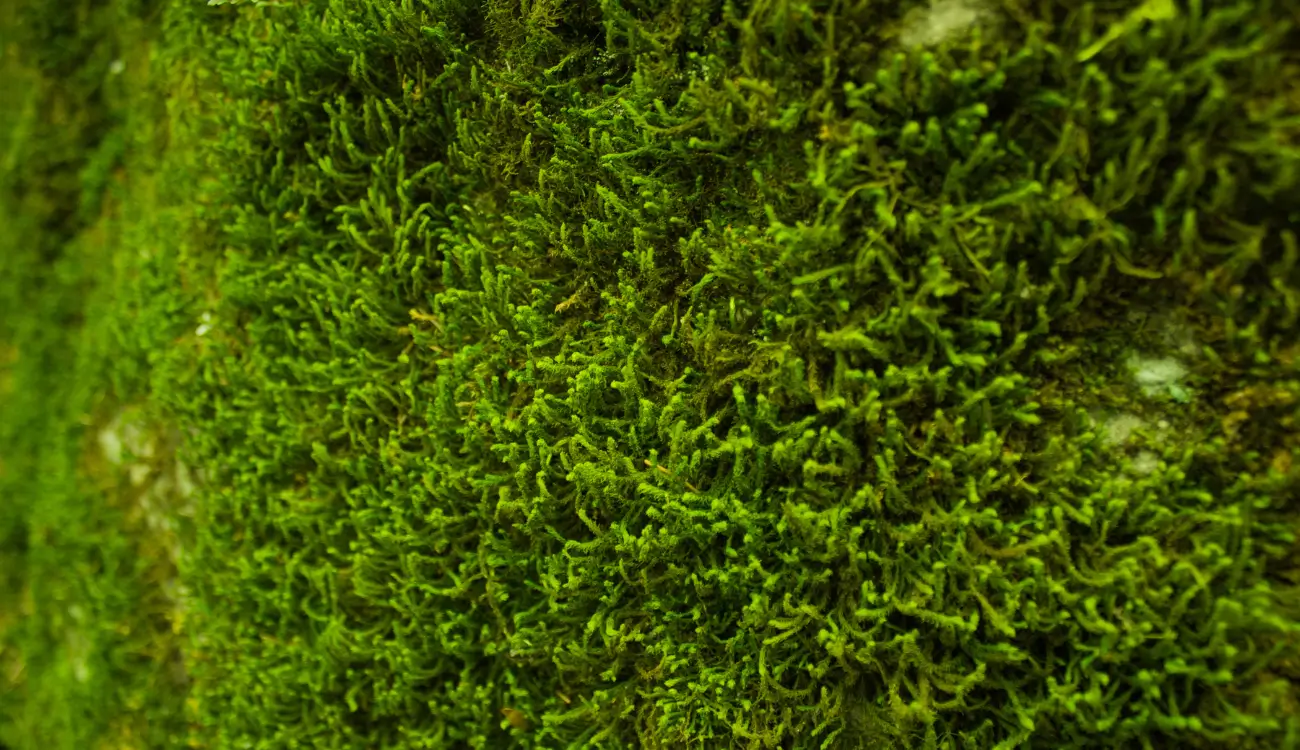
Preserved Moss
Preserved moss provides a soft, natural texture and is often used to create a lush appearance around indoor plants. It is especially common in decorative displays, hospitality settings and arrangements where visual texture is important.
The challenge is that moss can lose its appearance as it is watered, moved or disturbed. Pieces may become compressed, discolored or scattered around the planter.
Moss can also make it more difficult to inspect the soil beneath it. Maintenance teams may need to lift or remove sections before checking moisture levels.
Preserved moss may be a good fit when:
- You want a soft, organic appearance.
- The display is primarily decorative.
- The material will not be disturbed frequently.
- The planter receives careful, controlled watering.
Preserved moss may be less practical when:
- The plant is serviced frequently.
- The planter is located in a high-traffic area.
- You want a structured, uniform finish.
- Long-term consistency is a priority.
Outdoor Bark Mulch
Outdoor bark mulch is readily available and may seem like a natural choice for potted plants. However, mulch designed for exterior landscaping is not always the best material for an indoor environment.
Outdoor products can vary significantly in size, texture, moisture content and appearance. They may also break down, fade or create more debris than a purpose-built indoor product.
Large bark pieces can overwhelm smaller containers, while inconsistent sizing may make a professionally designed planter look unfinished.
Outdoor bark may be a good fit when:
- The planter is located in a sunroom or transitional indoor-outdoor space.
- A rustic, informal appearance is desired.
- Frequent replacement is not a major concern.
Outdoor bark may be less practical when:
- The planter is placed in a polished commercial environment.
- Consistent particle size and color are important.
- The installation needs to remain clean and presentable.
- You want a material developed specifically for indoor use.
Interior Mulch
Interior mulch is designed to provide the natural appearance of wood while addressing the presentation and maintenance needs of indoor planters.
Interior Mulch Scapes mulch is made from natural oak and is available in three colors: Caramel, Mocha and Espresso. These options allow the top dressing to coordinate with a variety of plants, containers, furniture and interior finishes.
Because the product is intended for indoor landscaping, it provides a more consistent and refined presentation than many exterior mulches. It can be used in residential planters as well as offices, hotels, museums, shopping centers, restaurants and other commercial spaces.
Interior mulch can also help slow moisture loss from the surface of the soil. Although watering schedules should always be based on the plant’s individual needs, covering exposed soil can help create a more stable planter environment.
Interior mulch may be a good fit when:
- You want a natural yet professional appearance.
- The planter is located in a home or commercial interior.
- Material weight is an important consideration.
- You want several neutral color choices.
- The installation needs to remain visually consistent.
- You prefer a cleaner alternative to outdoor bark.
How Do the Options Compare?
Appearance: Rocks create a crisp, modern look. Moss provides softness and texture. Outdoor bark produces a rustic effect. Interior mulch offers a natural wood appearance that can work in both traditional and contemporary spaces.
Weight: Decorative rocks are generally the heaviest option. Moss is lightweight but can be easily disturbed. Wood-based interior mulch provides coverage without adding the same level of weight as stone.
Maintenance: Moss may need to be rearranged or replaced as its appearance changes. Rocks can become mixed into the soil and make plant replacement more difficult. Exterior bark may fade or break down. Interior mulch is intended to provide a long-lasting decorative finish with minimal upkeep.
Design Flexibility: Decorative stone offers a wide selection of colors but can create a stark contrast with natural plant material. Moss has a distinctive appearance that may not complement every interior. Neutral oak tones are easier to coordinate with wood finishes, flooring, fabrics and planter colors.
Which Top Dressing Is Best for Commercial Interiorscaping?
Commercial interiorscapers must balance appearance with labor, transportation, installation and ongoing service requirements.
A top dressing may look attractive on the first day but still create problems if it is heavy, difficult to remove, inconsistent between batches or easily disturbed.
For offices, hotels, retail environments and other professionally maintained interiors, interior mulch offers several practical advantages:
- A uniform, finished appearance
- Easier handling than decorative stone
- Natural colors that complement interior finishes
- Compatibility with planters of different sizes
- Minimal ongoing upkeep
- A product designed specifically for indoor displays
These benefits can be especially valuable when the same material must be used across dozens or hundreds of planters.
How to Choose the Right Material
Start by considering where the planter will be displayed and who will be responsible for maintaining it.
For a small decorative arrangement that will rarely be touched, moss or stones may provide the desired appearance. For a larger planter, frequently serviced installation or professional interiorscape, a consistent indoor mulch may offer a better balance of aesthetics and practicality.
You should also consider the planter color, room design and type of plant. The top dressing should support the overall display rather than compete with it.
Give Your Indoor Plants a Finished Look
An indoor plant top dressing is more than a decorative accessory. It affects the weight, cleanliness, maintenance and long-term presentation of the entire planter.
Interior mulch provides a natural, polished finish without the excessive weight of stone or the ongoing appearance concerns associated with moss and outdoor bark.
Interior Mulch Scapes offers Caramel, Mocha and Espresso interior mulch for residential and commercial plant displays. Explore all three colors or request a sample to see how each option will look in your space.
Working on a
commercial install?
Our team can help with bulk quantities, spec support, and sample packs for client presentations.
FAQ
1. What is the best top dressing for indoor plants?
The best top dressing depends on the planter, interior design and maintenance needs. Decorative rocks offer a modern appearance but can be heavy. Preserved moss provides a soft texture but may require more upkeep. Interior mulch offers a natural, lightweight and professional finish designed specifically for indoor plant displays.
2. Can I use regular outdoor mulch in indoor planters?
Regular outdoor mulch can be used in some situations, but it may not provide the cleanliness, consistency or refined appearance expected in an indoor environment. Outdoor mulch can vary in size, moisture content and texture. A purpose-made interior mulch is generally better suited for homes, offices, hotels and other finished spaces.
3. Are rocks or mulch better for indoor plants?
Rocks may be suitable when you want a modern appearance and the planter will remain in one location. However, they can add significant weight and may become mixed into the soil. Interior mulch is lighter, easier to handle and provides a warmer, more natural appearance.
4. Does indoor plant top dressing help retain moisture?
A top dressing can help slow moisture loss from the surface of the soil. However, it should not replace proper watering practices. Always check the soil beneath the material before watering because the surface may appear dry while moisture remains around the plant’s roots.
5. How thick should indoor plant top dressing be?
Indoor plant top dressing should generally be applied in an even layer that fully covers the exposed soil without being piled against the plant’s stems or trunk. The exact depth depends on the planter size, material and desired appearance.
by Brandon Haas
Published on July 22, 2026
Unsubscribe anytime. By entering your email, you agree to receive marketing emails from Interior Mulch Scapes. By proceeding, you agree to the Terms and Conditions and Privacy Policy.
popular posts
INTERIOR MULCH
Should You Mulch Indoor Plants?
TIPS
How Deep Should Mulch Be?
INTERIOR MULCH
4 Tips to Begin Interior Landscaping
INTERIOR MULCH
What is Interiorscaping?