

on this page
Mulch Your Interiors!
- Shop Now
You may be new to the landscaping world and are wondering "what is interior landscaping?" Well, you are not alone. Interior landscaping is generally a lessen known term in the landscaping industry. Today, we are going to try to change that.
In the following article, we are going to tackle what interior landscaping is and provide 4 tips to begin interior landscaping. Not only will these reasons help you get started, but they will also provide important ways to keep your garden healthy and looking excellent! Let's begin!
Interiorscaping Defined
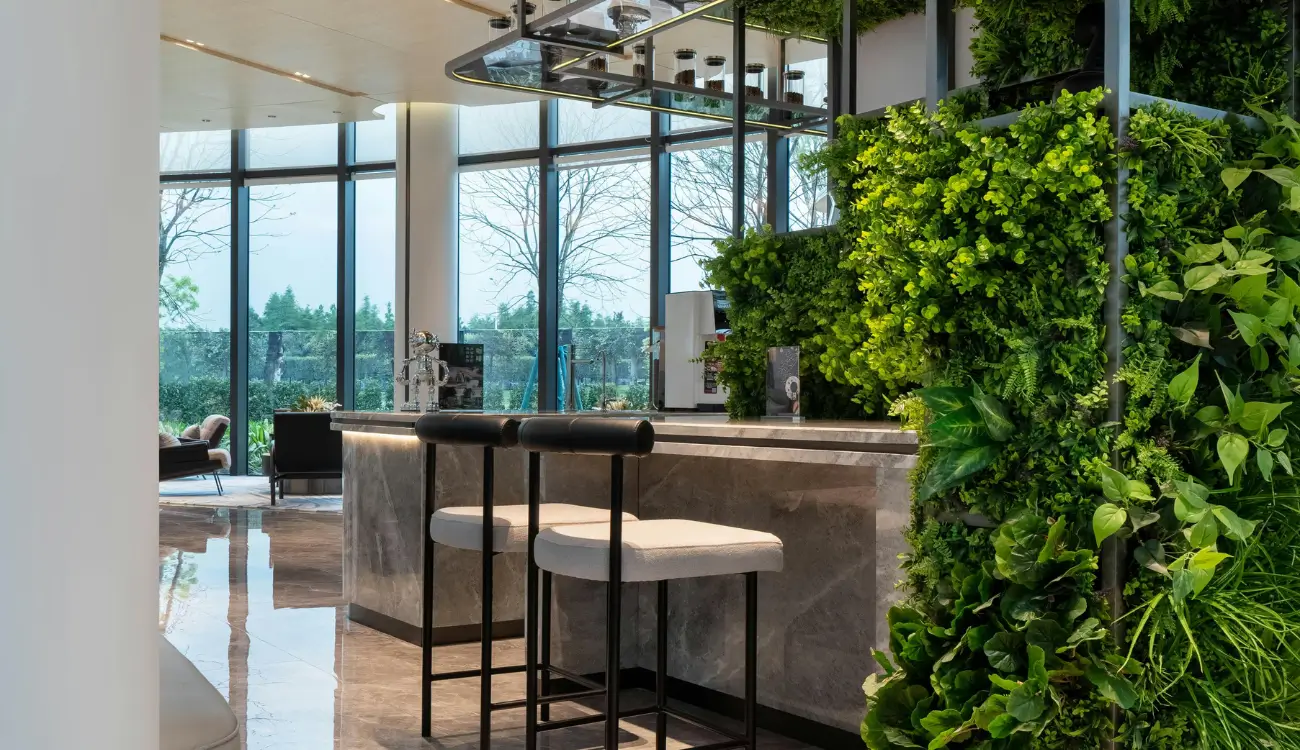
Interior landscaping is commonly reffered to as designing, installing, and maintaining greenery and biophilic elements inside buildings. However, it is more than just decorating your space with a few potted plants. It's a strategic way of bringing nature indoors to improve air quality, create calming atmospheres, and enhance overall aesthetics. Whether you’re designing your home or business, interior landscaping can transform any space, making it more vibrant and functional.
The origins of interior landscaping can be traced back hundreds of years. In ancient Egypt, plants were used not only for their beauty but also for their medicinal properties. Over time, indoor plants became a status symbol among the wealthy, especially during the Renaissance period in Europe.
The modern practice of interior landscaping began to take shape in the 19th century when architects and designers started incorporating plants and greenery into their building designs to promote well-being and improve indoor air quality. Today, interior landscaping is an essential part of both residential and commercial design
the importance of interiorscaping
Interiorscaping plays a significant role in promoting physical and mental health. According to a study by NASA, plants can improve air quality by reducing carbon dioxide levels and increasing oxygen. This leads to better respiratory health and can even improve concentration and productivity in a work environment. Indoor plants can also help reduce stress and create a calming atmosphere, making them ideal for both homes and businesses.
Additionally, interior landscaping has aesthetic benefits, adding texture, color, and life to otherwise plain interiors. Whether you're enhancing your home, office, or retail space, indoor landscaping can create a welcoming and relaxing atmosphere that elevates the overall mood of the room.
Overall, the importance of interior landscaping is huge, as it not only enhances the aesthetic appeal of a space but also contributes to improved air quality, better mental health, and increased productivity. By incorporating plants and thoughtful design, you can create an environment that promotes well-being and creates a lasting impression for anyone who enters.
4 Tips To Begin Interiorscaping
Start with the Right Plants
The first step in creating an interior landscape is choosing the right plants for your space. Consider factors like lighting, temperature, and humidity when selecting plants. For instance, if you have a low-light area, choose plants like pothos or snake plants that thrive in minimal light. If you have more sunlight, consider succulents or flowering plants.
WHAT ARE THE BEST KIND OF PLANTS FOR THE INDOORS?
For more information on the best kinds of plants for indoor environments, we recommend checking out this blog by Garden Design.
Use Quality Mulch
Mulch isn't just for outdoor landscaping; it’s just as important for interior landscapes. Mulch helps retain moisture, reduces the need for frequent watering, and provides a polished look to potted plants. Choose high-quality mulch products, such as our interior mulch, which is made from all-natural oak wood and is available in various colors to complement any interior décor.
Plan Your Layout
Think about how your plants will fit into your space. Consider the size of your room and the available light in different corners. Use a mix of tall plants, medium-sized ones, and smaller ones to create visual interest. Group plants in clusters or place them in areas where they can act as natural dividers for larger rooms.
Maintain Regular Care
Another key part of interior landscaping is ensuring that your plants remain healthy. Regular watering, pruning, and monitoring for pests are essential. You’ll also want to occasionally repot plants as they grow to keep them thriving. To simplify maintenance, consider adding a self-watering system for your plants or invest in low-maintenance varieties.
If you follow the 4 tips listed above, you are sure to become an expert interior landscaper in no time. By carefully selecting the right plants, incorporating high-quality mulch, planning your layout thoughtfully, and maintaining your indoor greenery, you'll create stunning, functional spaces that feel both inviting and refreshing.
Final Thoughts
In conclusion, interior landscaping is an excellent way to bring nature indoors and create beautiful, functional spaces. By choosing the right plants, using quality mulch, planning your layout, and maintaining regular care, you can create an environment that enhances your well-being and adds aesthetic value to any room. Whether you’re designing a home or business space, interior landscaping is a worthwhile investment that pays off in comfort and visual appeal.
If you're ready to embark on your interior landscaping adventure, we’re thrilled to be your trusted partner along the way! We recommend starting your journey by exploring our premium interior mulch, designed to enhance the health and beauty of your indoor plants. Should you have any questions or need further guidance, don't hesitate to reach out—we’re here to help every step of the way. Happy planting, and we look forward to supporting your creative endeavors!
GET YOUR BAG TODAY!
Shop our interior mulch today and get your interiorscape started off right!
by Brandon Haas
Published on January 28, 2025
Unsubscribe anytime. By entering your email, you agree to receive marketing emails from Interior Mulch Scapes. By proceeding, you agree to the Terms and Conditions and Privacy Policy.
popular posts
INTERIOR MULCH
What is Interior Mulch?
TIPS
How Deep Should Mulch Be?
TIPS
4 Tips to Begin Interior Landscaping
INTERIORSCAPING
What is Interiorscaping?
on this page
Mulch Your Interiors!
- Shop Now
You may be new to the landscaping world and are wondering "what is interior landscaping?" Well, you are not alone. Interior landscaping is generally a lessen known term in the landscaping industry. Today, we are going to try to change that.
In the following article, we are going to tackle what interior landscaping is and provide 4 tips to begin interior landscaping. Not only will these reasons help you get started, but they will also provide important ways to keep your garden healthy and looking excellent! Let's begin!
Interiorscaping Defined
Interior landscaping is commonly reffered to as designing, installing, and maintaining greenery and biophilic elements inside buildings. However, it is more than just decorating your space with a few potted plants. It's a strategic way of bringing nature indoors to improve air quality, create calming atmospheres, and enhance overall aesthetics. Whether you’re designing your home or business, interior landscaping can transform any space, making it more vibrant and functional.
The origins of interior landscaping can be traced back hundreds of years. In ancient Egypt, plants were used not only for their beauty but also for their medicinal properties. Over time, indoor plants became a status symbol among the wealthy, especially during the Renaissance period in Europe.
The modern practice of interior landscaping began to take shape in the 19th century when architects and designers started incorporating plants and greenery into their building designs to promote well-being and improve indoor air quality. Today, interior landscaping is an essential part of both residential and commercial design
the importance of interiorscaping
Interiorscaping plays a significant role in promoting physical and mental health. According to a study by NASA, plants can improve air quality by reducing carbon dioxide levels and increasing oxygen. This leads to better respiratory health and can even improve concentration and productivity in a work environment. Indoor plants can also help reduce stress and create a calming atmosphere, making them ideal for both homes and businesses.
Additionally, interior landscaping has aesthetic benefits, adding texture, color, and life to otherwise plain interiors. Whether you're enhancing your home, office, or retail space, indoor landscaping can create a welcoming and relaxing atmosphere that elevates the overall mood of the room.
Overall, the importance of interior landscaping is huge, as it not only enhances the aesthetic appeal of a space but also contributes to improved air quality, better mental health, and increased productivity. By incorporating plants and thoughtful design, you can create an environment that promotes well-being and creates a lasting impression for anyone who enters.
4 Tips To Begin Interiorscaping
Start with the Right Plants
The first step in creating an interior landscape is choosing the right plants for your space. Consider factors like lighting, temperature, and humidity when selecting plants. For instance, if you have a low-light area, choose plants like pothos or snake plants that thrive in minimal light. If you have more sunlight, consider succulents or flowering plants.
WHAT ARE THE BEST KIND OF PLANTS FOR THE INDOORS?
For more information on the best kinds of plants for indoor environments, we recommend checking out this blog by Garden Design.
Use Quality Mulch
Mulch isn't just for outdoor landscaping; it’s just as important for interior landscapes. Mulch helps retain moisture, reduces the need for frequent watering, and provides a polished look to potted plants. Choose high-quality mulch products, such as our interior mulch, which is made from all-natural oak wood and is available in various colors to complement any interior décor.
Plan Your Layout
Think about how your plants will fit into your space. Consider the size of your room and the available light in different corners. Use a mix of tall plants, medium-sized ones, and smaller ones to create visual interest. Group plants in clusters or place them in areas where they can act as natural dividers for larger rooms.
Maintain Regular Care
Another key part of interior landscaping is ensuring that your plants remain healthy. Regular watering, pruning, and monitoring for pests are essential. You’ll also want to occasionally repot plants as they grow to keep them thriving. To simplify maintenance, consider adding a self-watering system for your plants or invest in low-maintenance varieties.
If you follow the 4 tips listed above, you are sure to become an expert interior landscaper in no time. By carefully selecting the right plants, incorporating high-quality mulch, planning your layout thoughtfully, and maintaining your indoor greenery, you'll create stunning, functional spaces that feel both inviting and refreshing.
Final Thoughts
In conclusion, interior landscaping is an excellent way to bring nature indoors and create beautiful, functional spaces. By choosing the right plants, using quality mulch, planning your layout, and maintaining regular care, you can create an environment that enhances your well-being and adds aesthetic value to any room. Whether you’re designing a home or business space, interior landscaping is a worthwhile investment that pays off in comfort and visual appeal.
If you're ready to embark on your interior landscaping adventure, we’re thrilled to be your trusted partner along the way! We recommend starting your journey by exploring our premium interior mulch, designed to enhance the health and beauty of your indoor plants. Should you have any questions or need further guidance, don't hesitate to reach out—we’re here to help every step of the way. Happy planting, and we look forward to supporting your creative endeavors!
GET YOUR BAG TODAY!
Shop our interior mulch today and get your interiorscape started off right!